
We’re on the eve of our third session with Klaudia van Gool, so I thought I should jot down a few reflections on the second session we did on 15th March!
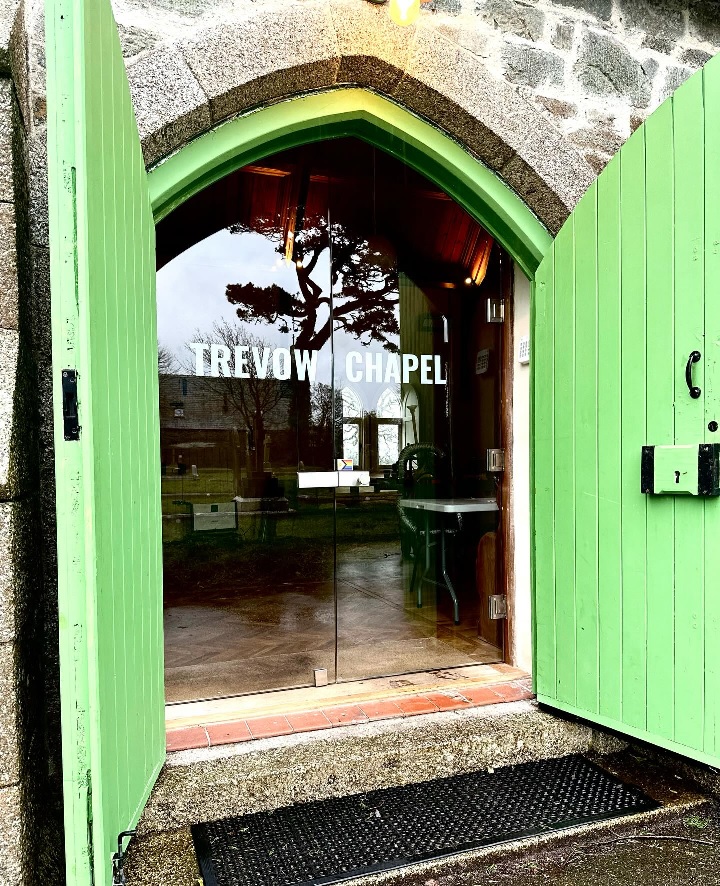
We met at Trevow Chapel, the lovingly renovated cemetery chapel on Meneage Road, now a fabulous arts and entertainment venue.
We started with a quick recap of the first session, with a focus on ethics and principles.
The Three Sisters
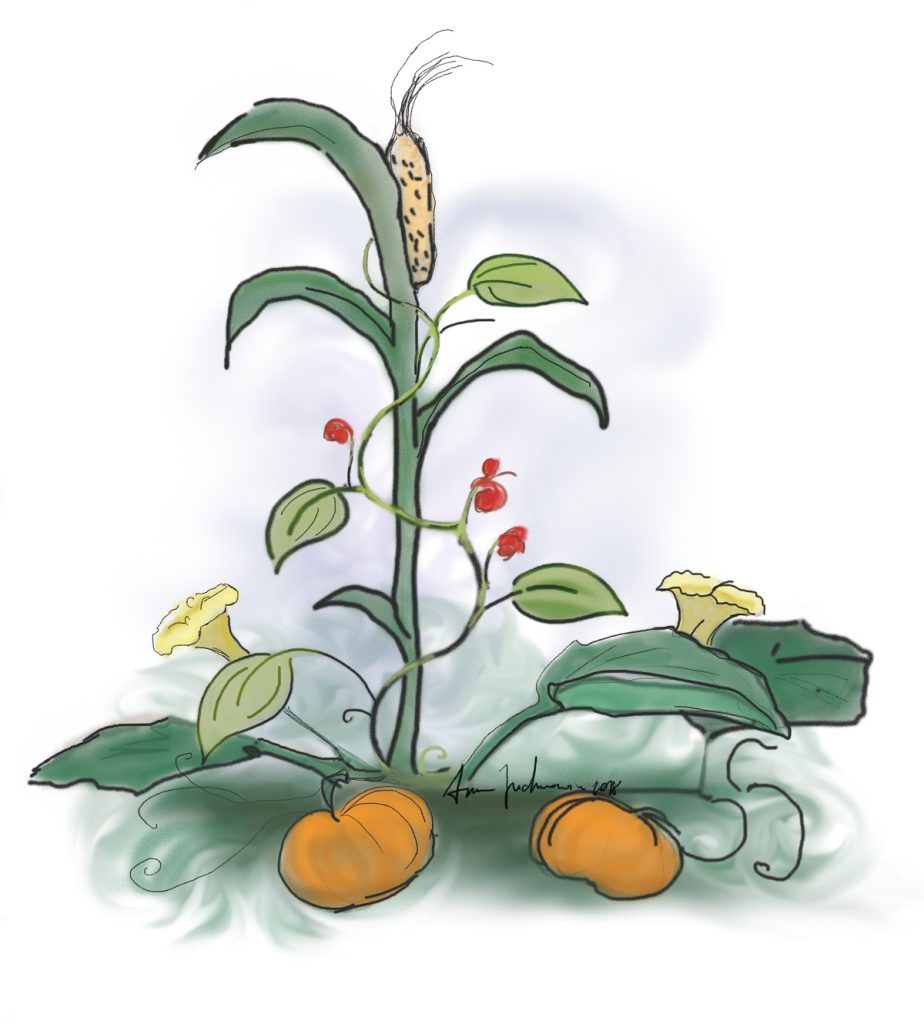
Klaudia then introduced us to the concept of stacking and companion planting, with the story of The Three Sisters.
The Three Sisters are the three main agricultural crops of various indigenous peoples of Central and North America. The crops are squash, maize (corn), and climbing beans. The maize and beans are often planted together in mounds formed by hilling soil around the base of the plants each year; squash is typically planted between the mounds. The cornstalk serves as a trellis for climbing beans, the beans fix nitrogen in their root nodules and stabilize the maize in high winds, and the wide leaves of the squash plant shade the ground, keeping the soil moist and helping prevent the establishment of weeds.
Due to the importance of this principle of one plant providing a benefit to another, the Three Sisters form part of a huge folklore around beneficial planting.
Zones, Sectors, Elevation
We then looked at various other key tools in permaculture planning: zones, sectors, and elevation.
Zones are a way of designing to maximise energy efficiency. Activities are put in different zones, depending on frequency of use, maintenance, visits etc.
These start at Zone 0, essentially the centre of activities, usually the house, and work their way out to Zone 5, the wild zone. Klaudia illustrated this with a practical demonstration:
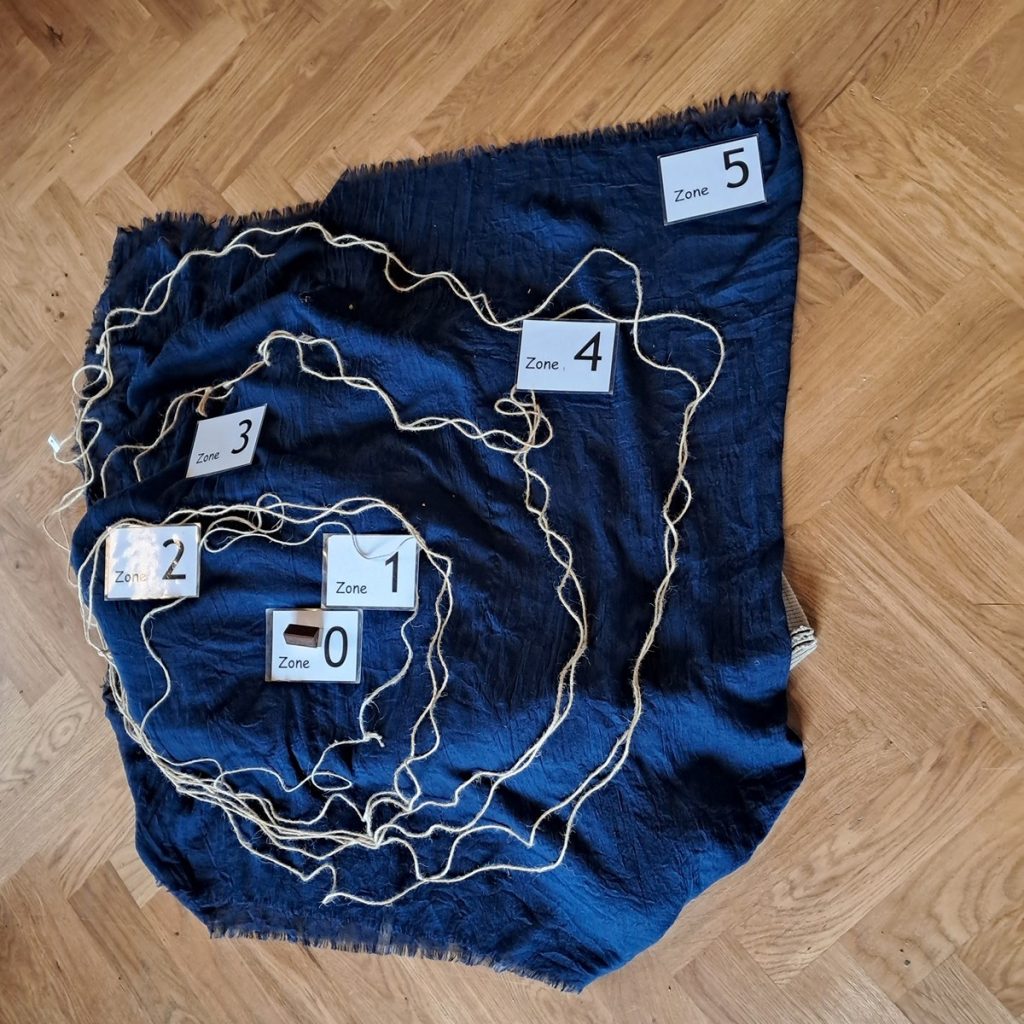
The zones aren’t always circular, but can vary by terrain, shelter from wind, sun, etc.
Combined with zones, designers then need to take sectors into account.
Sector planning is concerned with where external energies enter the site. These include:
- hot summer winds
- cold winter winds
- winter and summer sun angles
- salty or damaging winds
- water flow and flood prone areas
- unwanted views
- fire danger areas
Since we can do little to directly control these external factors, we need to design in such as way as to take advantage of benefits, or mitigate potential harm.
“The best fertiliser is the gardener’s shadow.” — Chinese proverb
The idea behind this proverb is that areas of the garden / site that see the most activity (i.e. house & garden) usually receive more time and attention. This allows for spotting issues early, such as pests (e.g., aphids), diseases, or water and nutrient deficiencies.
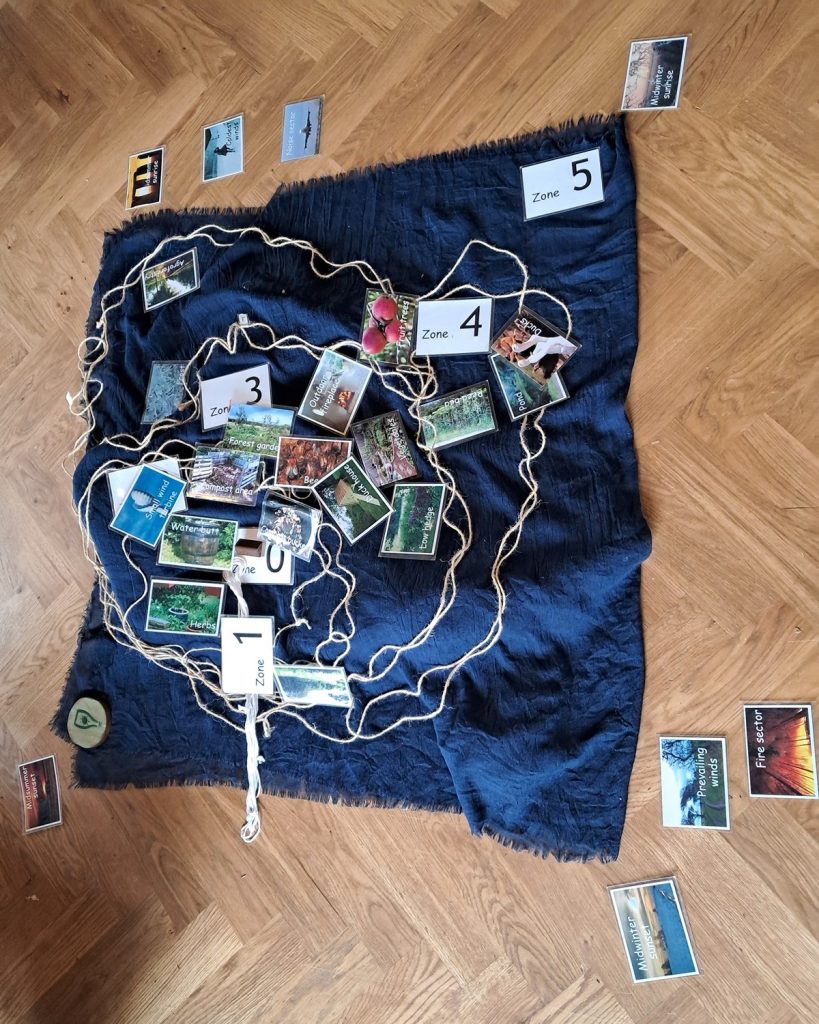
With these factors in mind, we then had a go at placing example activities into the various zones, with sectors based roughly on what it’s like in Helston.
Spring at the land
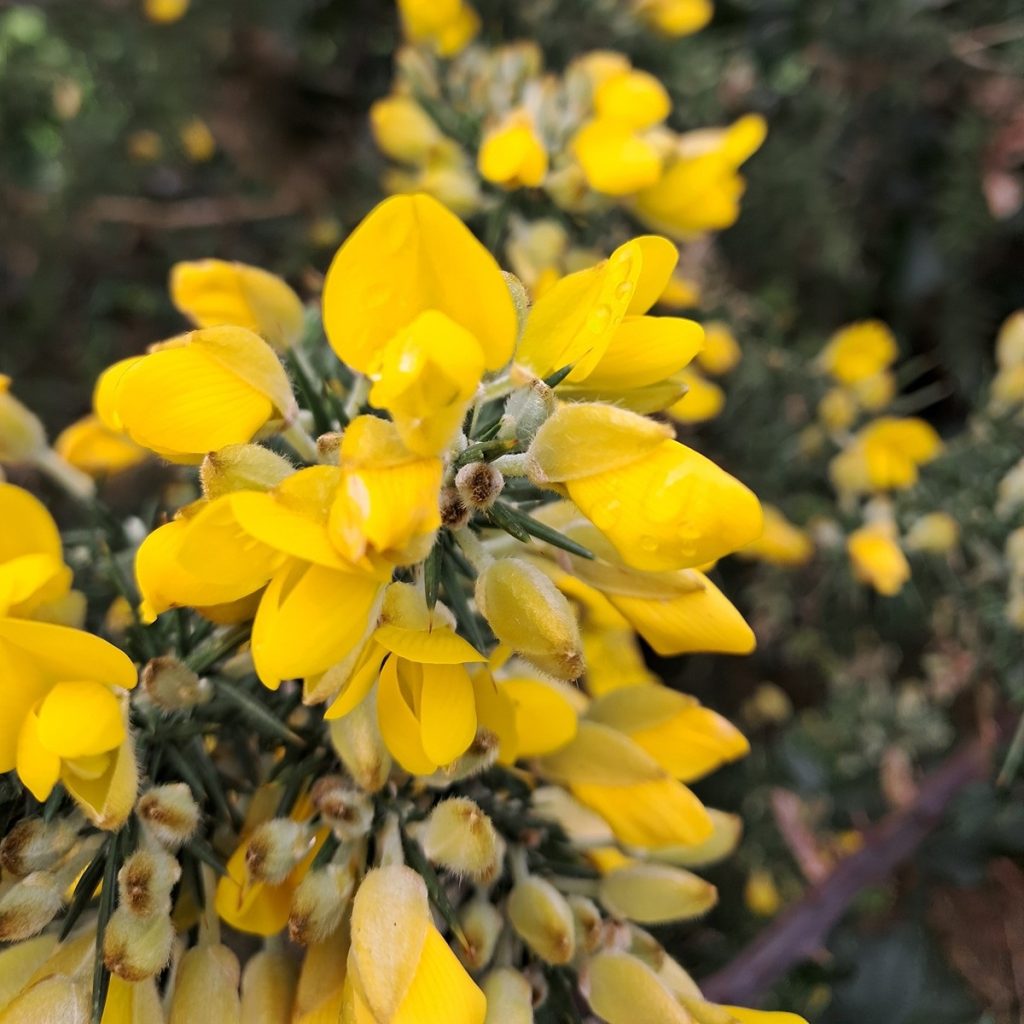
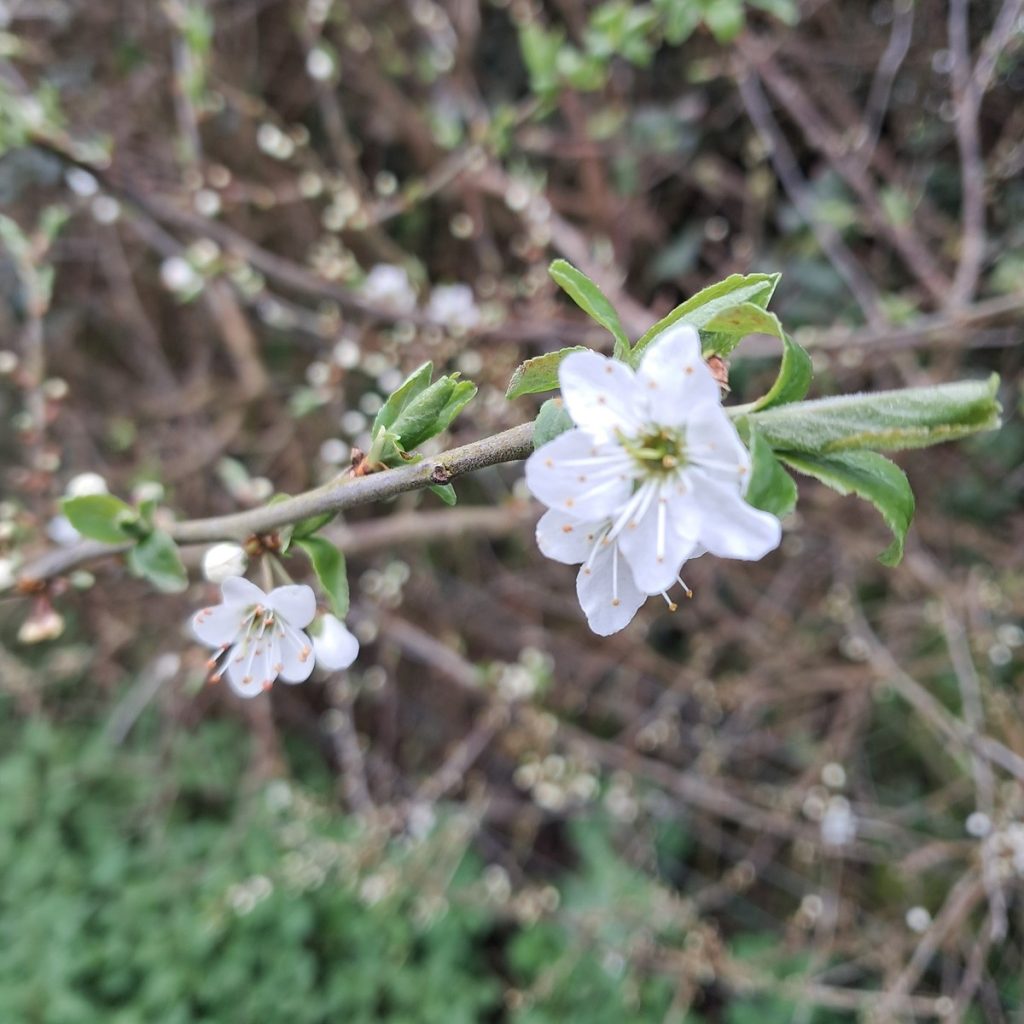
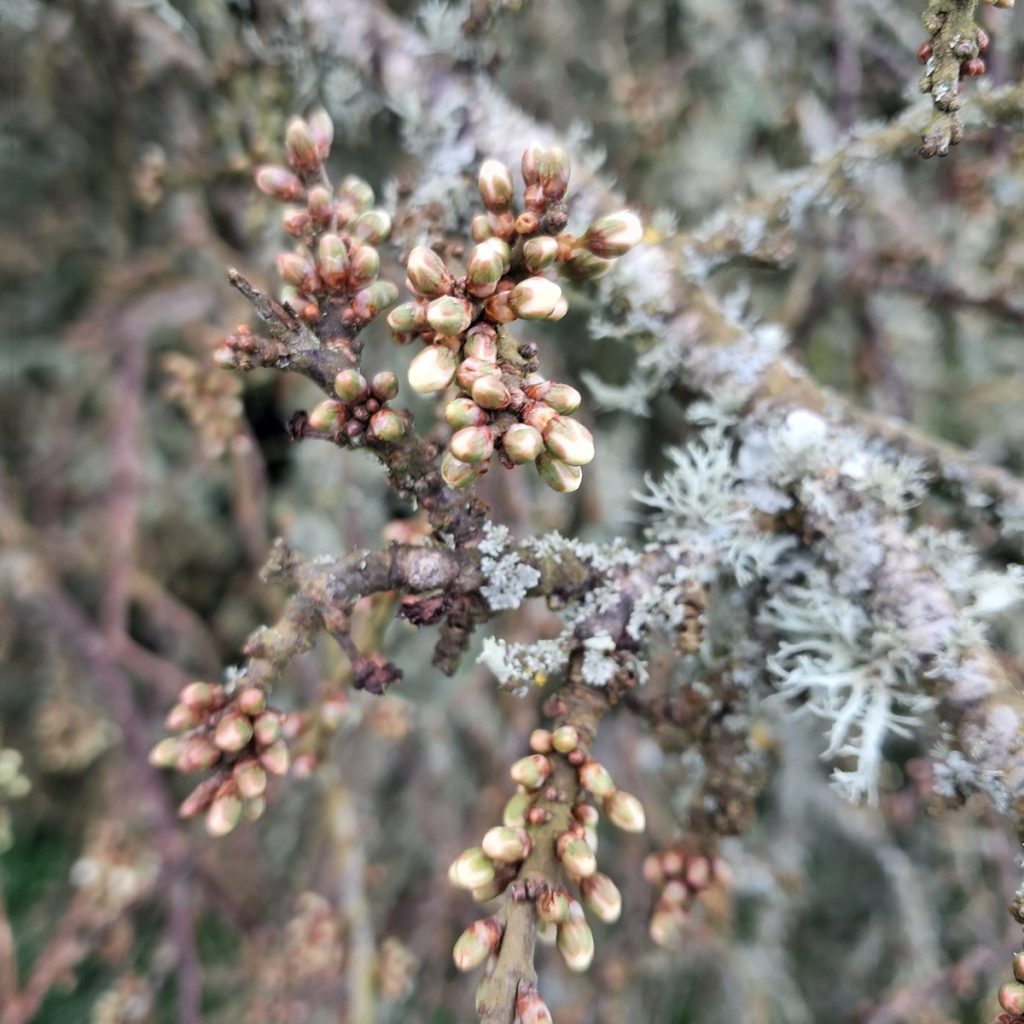
At some point, we had a walk up to the land, which was much drier than a month before. We used all our senses to carefully investigate the site, feeling the wind on our skin, smelling the soil and damp soil, listening to the birds and traffic. We thought about where the zones might be, and the external factors, such as the prevailing (SW) wind. There was such a difference between the two visits, and not just with the amount of water about. There was a real feeling of spring in the air:
The design process
Returning to the chapel, we looked at the design process. Of course, there are lots of different formal approaches to this, but having some sort of systematic approach is helpful. We looked at SADIMET.
This is a framework adapted from SADI, commonly used in landscape architecture. These letters stand for the stages of Survey, Analysis, Design and Implementation, with the additions of Maintenance, Evaluation and Tweaking.
Next session, we will be starting with Survey!
Conclusion
As with the first session, lots to take in, and I’m sure I’ve missed a lot above. However, it stimulated lots of ideas, which I’m trying to keep a lid on while we’re still at the information gathering stage.
Acknowledgements
The amazing photos from the day were taken by Katharine Lewis.